
Doom spending: what it is, why we do it, and how to break the cycle
With financial stress and uncertainty becoming an all-too-common feeling, many Australians are turning to an old coping mechanism with a modern twist: doom spending. If you’ve ever impulsively added items to your cart after scrolling through stressful headlines, booked a holiday because “life’s too short,” or justified a splurge with “future me can deal with that”, you’re not alone.
But what is doom spending exactly, and how can you regain control without feeling like you’re cutting out all the joy? Let’s break it down.
What is doom spending?
Doom spending is when we spontaneously spend money as a way of coping with stress, uncertainty, or overwhelming news. Think of it as emotional spending, retail therapy, or shopping to self-soothe, but triggered specifically by doom-scrolling, rising living costs, global uncertainty, or the feeling that “everything’s out of control anyway.” Trends such as #TikTokMadeMeBuyIt have further magnified doom spending.
Common examples of doom spending include:
- Making in-app purchases as a form of shoppertainment
- Treating yourself to expensive “pick-me-ups” when feeling overwhelmed
- Booking holidays or big experiences as an escape
- Buying new clothes or gadgets during stressful periods
- Saying “yes” to every social event to avoid FOMO
- Clicking add to cart because it gives a short burst of happiness
Why do we doom spend?
There’s real psychology behind this behaviour and it has little to do with poor money habits.
1. Stress + uncertainty = comfort buying
When life feels unpredictable, spending can give a temporary sense of control and comfort.
A new outfit arrives → you feel a dopamine hit → the brain chases this and learns to repeat it.
2. Doom-scrolling fatigue
Scrolling through negative news triggers anxiety. Buying something instantly soothes it, even if only for a few minutes.
3. FOMO and social pressure
From TikTok hauls to Instagram holidays, it’s easier than ever to fall into the comparison trap. When everyone else seems to be “living it up”, the urge to keep up grows stronger.
4. A ‘treat yourself’ culture
The modern world glorifies self-care through spending: facials, dining out, new outfits, weekend getaways. Treating yourself is great, until it starts taking you off track financially.
5. Low financial awareness
If you’re not clear on your budget, savings goals, or upcoming expenses, it’s much easier to justify impulse buys.
Who is most likely to doom spend?
Doom spending can affect anyone, but some groups feel the pull more strongly:
- Young adults: Gen Z and Millennials are more likely to doom scroll and respond emotionally to it
- People feeling financial pressure: Counterintuitively, those stressed about money and feeling defeated sometimes spend more as an escape
- Busy professionals: Stress + limited time = quick, impulsive purchases that feel like “little rewards”
- Parents: Often juggling cost pressures, guilt spending, and decision fatigue
- Anyone on social media frequently: The more you scroll, the more likely you are to see triggers for emotional spending
How to stop doom spending (without cutting out all the fun)
Good news: you don’t have to swear off treats forever. These practical strategies help reduce doom spending while still enjoying life.
1. Identify your triggers
Ask yourself:
- Do I spend more when I read bad news?
- When I’m tired or stressed?
- When I’m bored scrolling at night?
Recognising patterns is step one in breaking them.
2. Create a “fun money” budget
Set aside a realistic, guilt-free splurge amount each week or month for treats. When you have a dedicated budget, spending stays controlled and still enjoyable.
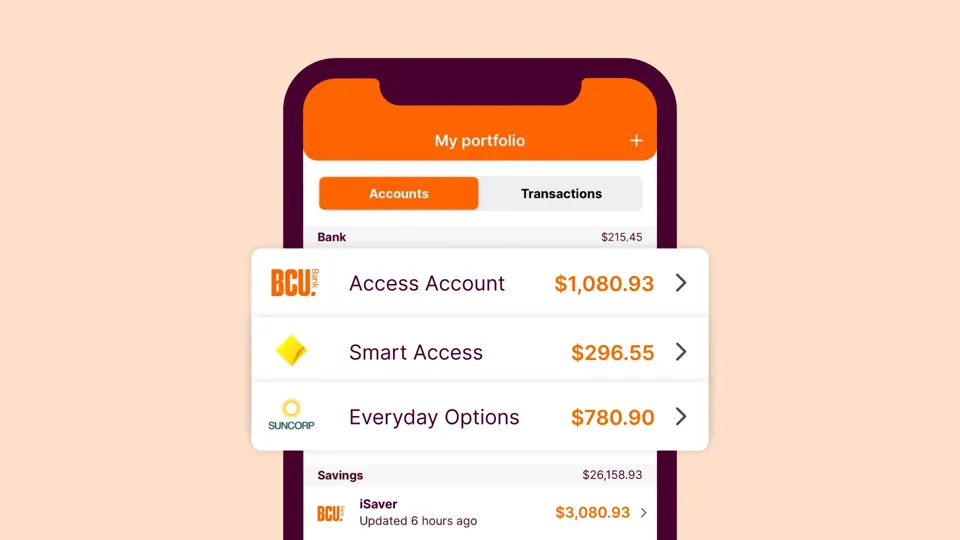
See all your accounts in one place with mymo by BCU
Ditch the spreadsheets and get a clear picture of your finances (across all your banks) with our free budgeting app, mymo by BCU.
3. Delay purchases with a 24-hour rule
Add to cart if you like but don’t check out immediately. After 24 hours, most impulse buys lose their appeal.
4. Replace doom-scrolling with something positive
Even just 10 minutes of swapping TikTok or news apps can break the doom cycle. You could:
- Go for a walk
- Listen to a podcast
- Call a friend
- Read a book
5. Set realistic savings goals
Whether it’s a holiday, an emergency fund, or a first home deposit, having a clear goal gives your money purpose making emotional purchases less appealing.
6. Automate your savings
When money goes straight into savings first, there’s less left for impulsive spending. Out of sight = out of mind.
7. Unfollow accounts that trigger spending
If a brand, influencer or creator keeps you buying things you don’t need, mute them. Your wallet will thank you.
When to reach out for help
If spending starts impacting your ability to pay bills, contribute to savings or manage debt, it’s worth talking to a financial expert.
You may also be interested in:

Young Aussies are feeling the financial pressure – but they’re fighting back

Your Financial Wellness

Are you missing out on free money? How bonus interest works
Important information
Banking and Credit products issued by Police & Nurses Limited (BCU Bank).
Any advice does not take into account your objectives, financial situation or needs. Read the relevant terms and conditions, before downloading apps or acquiring any product, in considering and deciding whether it is right for you. The Target Market Determinations (TMDs) are available on our website or upon request.